Digital careers don’t stand still. What worked two years ago already feels outdated. New tools show up. Platforms change. Skills get reshuffled. And somewhere in the middle of all that, AI quietly walked in and changed the game.
Not with noise. With speed. Here’s the thing. AI tools aren’t just “nice to have” anymore. If you’re building a digital career – marketing, content, design, data, tech, even HR—they’ve become part of the job. Like it or not.
AI helps you work faster
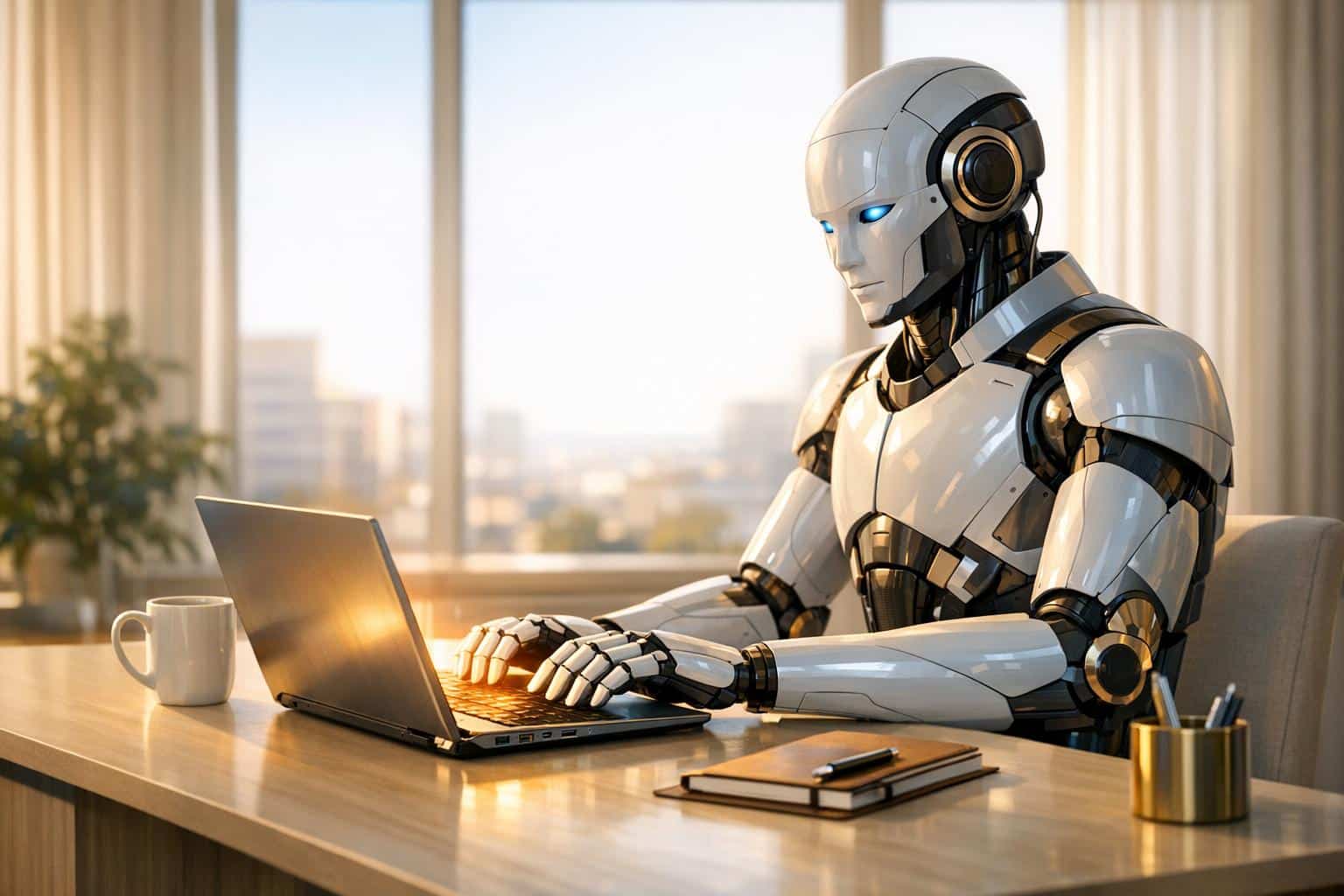
Time is the biggest pressure in digital roles. Deadlines pile up. Tasks overlap. Everyone wanted results yesterday. AI tools take care of the repetitive stuff. Drafting outlines. Cleaning data. Scheduling posts. Sorting resumes. Even writing first drafts. That doesn’t make you lazy. It makes you efficient.
Instead of starting from zero every time, you start from something. And that saves mental energy for actual thinking.
It levels the skill gap
Not everyone starts with the same background. Some people can code. Others can’t. Some write naturally. Others struggle. AI tools act like training wheels.
They help beginners produce decent work faster. They explain things. Suggest improvements. Point out mistakes. Does that mean skill doesn’t matter? No. It means learning curves get shorter. And that’s a big deal in fast-moving digital fields.
Creativity doesn’t disappear. It shifts.
There’s a fear that AI kills creativity. Here’s something to think about. Creativity isn’t typing words or clicking buttons. It’s deciding what to say and why.
AI can suggest. Generate. Optimize. But it doesn’t understand context like a human does. It doesn’t know your audience’s emotions. Or your brand voice. Or cultural nuance. Professionals who use AI well don’t replace creativity. They redirect it. Like using a calculator. You still need to know math.
Employers expect AI familiarity now
This part is important. Many job descriptions now casually mention “AI tools experience.” Not as a bonus. As a basic skill.
Content roles expect AI-assisted writing. Marketing roles expect AI-driven insights. HR roles expect AI screening tools. Design roles expect AI-enhanced workflows. You don’t need to master every tool. But being unaware? That’s risky.
Digital careers reward adaptability. AI is part of that adaptability now.
AI helps you make better decisions
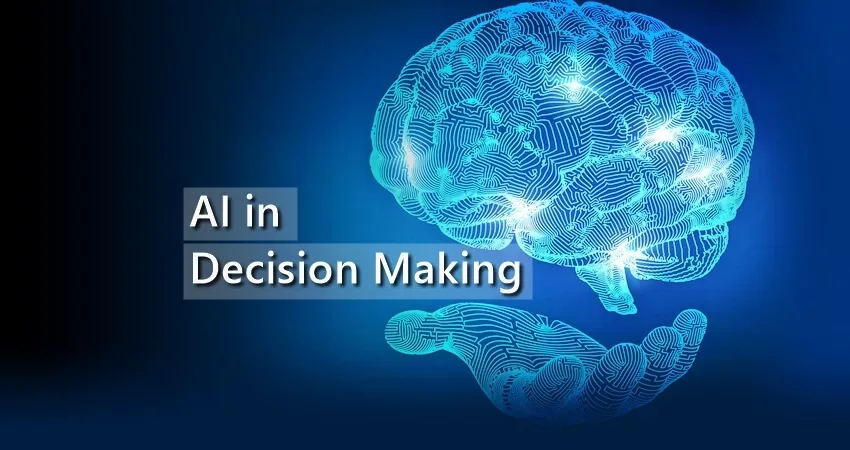
Gut feeling used to drive a lot of digital work. AI brings data into the picture. Trends. Patterns. Predictions. Which content performs better. Which audience engages more. Which campaign needs fixing.
It’s like switching on the lights in a dark room. You still decide where to go. You just stop bumping into furniture.
It reduces burnout
Here’s a quieter benefit. Digital jobs can be exhausting. Always online. Always creating. Always responding. AI tools reduce the load. They don’t remove responsibility, but they share it.
Less manual work. Fewer repetitive tasks. More breathing room. That breathing room matters more than we admit.
AI won’t replace you. But someone using AI might.
This line gets repeated a lot. And for good reason. AI doesn’t replace professionals. Professionals who ignore AI get replaced by those who use it well.
It’s not about being the smartest person in the room. It’s about being the most adaptable. Those who learn to collaborate with AI stay relevant. Those who resist often struggle.
Digital careers are becoming hybrid
Roles are no longer siloed. Writers analyze data. Marketers design visuals. HR professionals use analytics. Developers think about UX. AI tools support this hybrid nature. They help you cross skill boundaries without starting from scratch. That flexibility opens more doors. And creates better opportunities.
Final thought
AI tools aren’t shortcuts. They’re amplifiers. They amplify your speed. Your ideas. Your impact. But only if you use them with intention.
If you’re building a digital career today, learning AI tools isn’t optional. It’s part of professional growth now. Like learning Excel once was. Or social media later. You don’t need to know everything. Just start. Experiment. Get comfortable. Because the future of digital work isn’t human or AI. It’s human with AI.