

Building a website used to require advanced coding knowledge and technical expertise. Years ago, creating even a simple website meant writing long lines of code and managing complex server settings. Today, platforms like WordPress have made the process much easier. Understanding how WordPress simplifies website creation helps explain why it has become one of the most widely used website platforms in the world.
WordPress allows individuals, businesses, and organizations to build websites without needing deep programming knowledge. With the right tools and a bit of learning, many people can create and manage their own websites.
Easy Installation and Setup
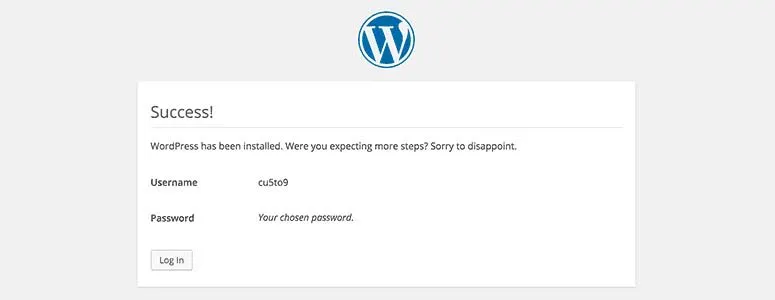
One of the main reasons how WordPress simplifies website creation is often discussed is because the setup process is relatively straightforward. Most hosting providers offer one-click WordPress installation, allowing users to start building their websites within minutes.
Once installed, users can access a dashboard where they manage pages, posts, themes, and plugins. The dashboard is designed to be user-friendly, which makes it easier for beginners to navigate different settings and features.
This accessibility allows people with limited technical experience to begin building websites confidently.
Themes Make Design Simple
Website design is another area where WordPress simplifies the process. Instead of designing layouts from scratch, users can choose from thousands of pre-designed themes. These themes control the appearance and layout of the website.
When exploring how WordPress simplifies website creation, themes play an important role. Users can switch themes, customize colors, adjust layouts, and modify fonts without needing to write code.
Many themes also include customization panels that allow users to preview changes in real time before publishing them.
Plugins Add Powerful Features

Websites often require additional features such as contact forms, SEO tools, image galleries, or e-commerce functionality. WordPress plugins make it possible to add these features quickly.
Plugins are small software tools that extend the functionality of a WordPress site. There are thousands of plugins available that support tasks like search engine optimization, security improvements, performance optimization, and social media integration.
These tools demonstrate how WordPress simplifies website creation by allowing users to add complex functionality with only a few clicks.
Content Management Made Easy
WordPress was originally designed as a blogging platform, so managing content is one of its strongest features. Users can easily create posts, pages, categories, and media libraries.
Understanding how WordPress simplifies website creation also involves recognizing its content management system. The editor allows users to add text, images, videos, and other elements in a structured format without coding.
This makes WordPress especially useful for bloggers, businesses, and content creators who regularly update their websites.
Flexibility for Different Types of Websites

Another reason WordPress remains popular is its flexibility. The platform supports many types of websites, including blogs, business websites, portfolios, news platforms, and online stores.
When discussing how WordPress simplifies website creation, this flexibility becomes clear. A single platform can support multiple website formats simply by changing themes, installing plugins, or customizing layouts.
This adaptability allows users to expand their websites as their needs grow.
Conclusion
WordPress has transformed the way websites are built and managed. Its easy installation process, customizable themes, extensive plugin ecosystem, and user-friendly content management system make website creation more accessible than ever.
Understanding how WordPress simplifies website creation highlights why the platform is widely used by beginners and experienced developers alike. By reducing technical barriers and offering flexible tools, WordPress enables individuals and businesses to build functional and professional websites efficiently.