

Although the appearance of an individual Meta ad campaign may lead to an impression that it’s deceptively simple to run effectively, the truth is that many factors lie beneath the surface that create a successful campaign.
Most advertisers focus only on the immediacy of items like budget or creatives or audience targeting when there are other underlying systems driving and determining long-term outcomes as well.
Ultimately, high-performing Meta ad accounts exist as the result of four critical elements working together. Each of these elements—strategy, quality of data, structure of campaigns, and continuous optimization—has a unique purpose and contributes to generating an overall successful Meta ad account.
By understanding how these four elements interact with each other, businesses can increase operational efficiency, scale their businesses in an effective manner, and achieve increased overall return on investment (ROI).
Strong Account Structure Creates Better Control
One of the most overlooked elements in Meta advertising is account structure. A well-structured account allows advertisers to identify what is working quickly and reduce wasted spend. High-performing Meta ad accounts often succeed because they are built with clarity from the beginning.
Conversion Tracking Improves Decision-Making
Significant reliance on data signals drives meta campaigns (the ad campaigns created solely by an ad manager using data). Having correct pixel setups, negative event tracking, and accurate conversion reporting all help the algorithm identify how users act (convert).
You generally optimize for leads, sales, or other actions with cleaner data and strong signals (metrics) to provide maximum effectiveness in your advertising efforts. Companies that focus on developing solid data systems often make faster, better-defined advertising decisions than other companies do.
Creative Testing Drives Consistent Growth

Your ad campaigns may be impacted by ad fatigue, despite the presence of effective targeting. However, using new creative elements such as images, video, headlines, and calls-to-action within an effective Facebook or Instagram account normally allows you to receive additional clicks (known as CTRs) and overall engagement from users.
Changes to how you are creating your ads may also generate very different CTRs and overall engagement as well. The most successful advertisers on Meta are constantly creating new creative sketches, which provides continued success from their creative assets.
Audience Signals Matter More Than Narrow Targeting

Certain advertisers use overly precise targeting methods. Or, as a result of using Meta’s modern targeting technologies, the outcome of a modern campaign can sometimes be greater with a larger audience and improved conversions than it could be with a smaller target audience and less attractive conversions.
Using this broader approach gives Meta’s platform additional opportunities for identifying audiences who are more inclined to take action. Advertisers that have both strong data use and flexible targeting have achieved superior growth capabilities and typically, lower acquisition costs per conversion.
Landing Page Experience Supports Ad Results
Landing pages create friction; even well-performing ads can perform poorly if the landing page introduces friction between the ad and the webpage. A landing page is important to overall conversions. The page load speed, mobile-responsive design, clear messaging, and simple navigation are all factors that reflect how many users convert.
While Meta provides traffic, user experience on a website is typically where advertising results are determined. Top-performing advertisers recognize that both ads & landing pages must work harmoniously.
Budget Allocation Requires Patience
When scaling too fast, it disrupts performance. Most successful campaigns gradually increase their budget as they are able to be monitored against goals that have been set. They also tend to move toward using proven campaigns rather than attempting to use all the budget available. The result of this type of management is an increased level of efficiency and continued growth in the future.
Consistent Optimization Builds Long-Term Gains
One successful advertising campaign alone does not produce a robust Meta account. Rather, it takes ongoing performance tracking based on measures like cost per acquisition, click-through rate, frequency, and return on investment to continually enhance a Meta account’s effectiveness.
The process allows advertisers to make necessary changes before the account starts performing poorly. Consistently making small enhancements can ultimately yield substantial long-term benefits.
Learning Phase Management Is Important
Meta campaigns frequently take significant time to obtain enough data prior to achieving stable performance levels. Changes made on a continual basis throughout this learning phase can actually impede the ability of a campaign to optimize its performance. Advertisers who have experience can easily identify opportunities for either allowing their campaigns time to stabilize or making timely interventions into the campaign performance.
Successful advertisers frequently use the combination of patience and good monitoring to give themselves an additional benefit over their less-experienced competitors.
Retargeting Strengthens Conversion Paths
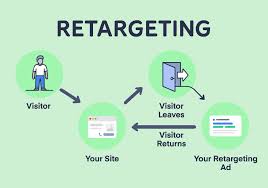
On initial interaction, every user does not convert. With retargeting campaigns, we can reconnect with users who have already engaged with the brand by visiting the website, watching videos, or being previous leads. Reconnecting users via retargeting campaigns allows brands to focus their efforts on users who are more likely to convert than cold audiences. For some of Meta’s highest-performing accounts, retargeting forms a part of their overall funnel strategy.
Conclusion
The most successful Meta advertising accounts often disregard a secret formula. They have a well-organized structure and an accurate, dependable tracking system; they conduct continuous testing of their creatives; they build highly effective landing pages; they exhibit patience in scaling; and they implement intelligent retargeting practices.
To achieve sustainable success with their Meta advertising efforts, brands use these “hidden levers” instead of seeking quick non-strategic solutions. By using these fundamental elements as building blocks, any brand seeking paid media growth can achieve greater success while also producing an overall increase in their Meta advertising revenue.