

Modern websites are more than just pages with text and images. They store user accounts, product listings, blog posts, transactions, and much more. This information must be organized, secure, and easily retrievable. That is where databases come in. Understanding databases in web development is essential for anyone building dynamic websites or applications. Without a database, most modern platforms would not function properly.
What Is a Database?
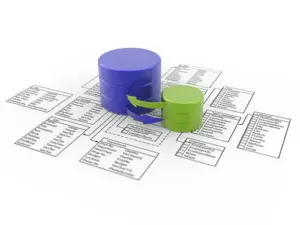
A database is a structured system used to store and manage data. Instead of keeping information scattered across files, a database organizes it into tables, collections, or other formats that allow quick access and updates. For developers, understanding databases in web development begins with knowing how data is stored and retrieved efficiently.
In simple terms, a database acts like a digital storage system. When users sign up, place an order, or publish a comment, that information is stored in the database. Later, when needed, it can be retrieved instantly.
How Databases Work with Websites
Web applications typically operate using three layers: the front end, the server (back end), and the database. When a user interacts with a website—such as submitting a login form—the request is sent to the server. The server then communicates with the database to verify the information or fetch relevant data.
For example, if someone logs into an account, the server checks the database to confirm the username and password. This process happens in seconds. Understanding databases in web development means recognizing how smoothly these layers communicate behind the scenes.
Types of Databases Used in Web Development
There are two primary categories of databases commonly used in web projects.
-
Relational Databases
Relational databases organize data into structured tables with rows and columns. They use Structured Query Language (SQL) to manage and retrieve data. Systems like MySQL and PostgreSQL falls into this category. These databases are ideal when data relationships are clearly defined, such as customer orders linked to user accounts.
-
NoSQL Databases
NoSQL databases are more flexible. Instead of tables, they may use documents, key-value pairs, or graphs. MongoDB is a popular example. These databases are often chosen when handling large amounts of unstructured or rapidly changing data.
Choosing between these options depends on project requirements. Understanding databases in web development includes knowing which type best suits your application.
Core Database Concepts Every Developer Should Know
To work confidently with databases, developers should understand a few key concepts:
- Tables or collections
- Primary keys and unique identifiers
- Relationships between data
- CRUD operations (Create, Read, Update, Delete)
- Indexing for performance improvement
These fundamentals ensure that data remains organized and efficient. A poorly structured database can slow down applications and create maintenance challenges.
Security and Data Management

Databases often store sensitive information such as personal details and passwords. Because of this, security practices are critical. Developers should use encryption, secure authentication systems, and protection against attacks like SQL injection.
Good data management also includes regular backups and performance optimization. Understanding databases in web development involves not only storing data but also protecting and maintaining it properly.
Why Databases Matter in Modern Development
Nearly every modern website relies on a database. From e-commerce platforms to social networks, data drives functionality. Without reliable data storage, features like user accounts, dashboards, and search systems would not be possible.
For beginners and experienced developers alike, understanding databases in web development provides a strong technical foundation. It allows you to build scalable, secure, and efficient applications that handle real-world data needs.
In today’s digital environment, databases are not optional—they are central to how the web operates.