
Organic reach isn’t what it used to be. You can post great content on Instagram or Facebook, and still nothing much happens. A few likes. Maybe a comment from someone you already know. Then the post disappears into the feed abyss.
That’s where Meta ads step in. Not as a magic fix, but as a practical tool that actually works when used right. Here’s the deal. If digital marketing is about getting the right message in front of the right people, Meta ads make that easier. A lot easier.
You can target people with scary-level accuracy
This is probably the biggest reason Meta ads matter. You’re not shouting into the void. You’re choosing who sees your ad. Age. Location. Interests. Behavior. Job roles. Even people who visited your website but didn’t buy.
It’s like handing flyers, but only to people who already care. That alone saves time and money. And yes, it still feels a little creepy. But from a marketing point of view, it’s incredibly effective.
Meta ads work at every stage of the funnel
Here’s something people get wrong. Meta ads aren’t just for selling. They work across the entire customer journey. You can run ads to build awareness. Then ads to educate. Then ads to convert. And later, ads to bring people back.
It’s like having multiple conversations instead of pushing for a sale on the first hello. That approach feels more human. And it converts better.
You don’t need a massive budget to start
Let’s clear this up. You don’t need lakhs of rupees to run Meta ads. Beginners can start small. Even a few hundred a day is enough to test things.
The platform gives data fast. You see what’s working. What’s not. Then you adjust. That feedback loop is gold, especially for small businesses and startups.
Retargeting changes everything
This part is huge. Most people don’t buy the first time they see a brand. They browse. They compare. They leave. Meta lets you retarget those people. Show them reminders. Reviews. Offers. New angles. It’s like a gentle nudge. Not annoying, if done right. Just familiar. And familiar brands get chosen more often.
Creative matters more than perfection
Here’s something refreshing about Meta ads. They don’t need to look “perfect.” In fact, overly polished ads often perform worse. Simple videos. Phone-shot clips. Honest testimonials. Quick problem-solution posts.
People scroll fast. Ads that feel native to the platform stop the scroll. This gives smaller brands a real advantage. You don’t need a big production team. You need clarity and authenticity.
Data helps you make smarter decisions
Meta ads don’t just drive traffic. They give insights. You learn which audience responds. Which message clicks. Which offer converts.
That data improves everything else too. Your website. Your content. Even your product positioning. Marketing stops being guesswork and starts being informed decisions.
It complements SEO and content marketing
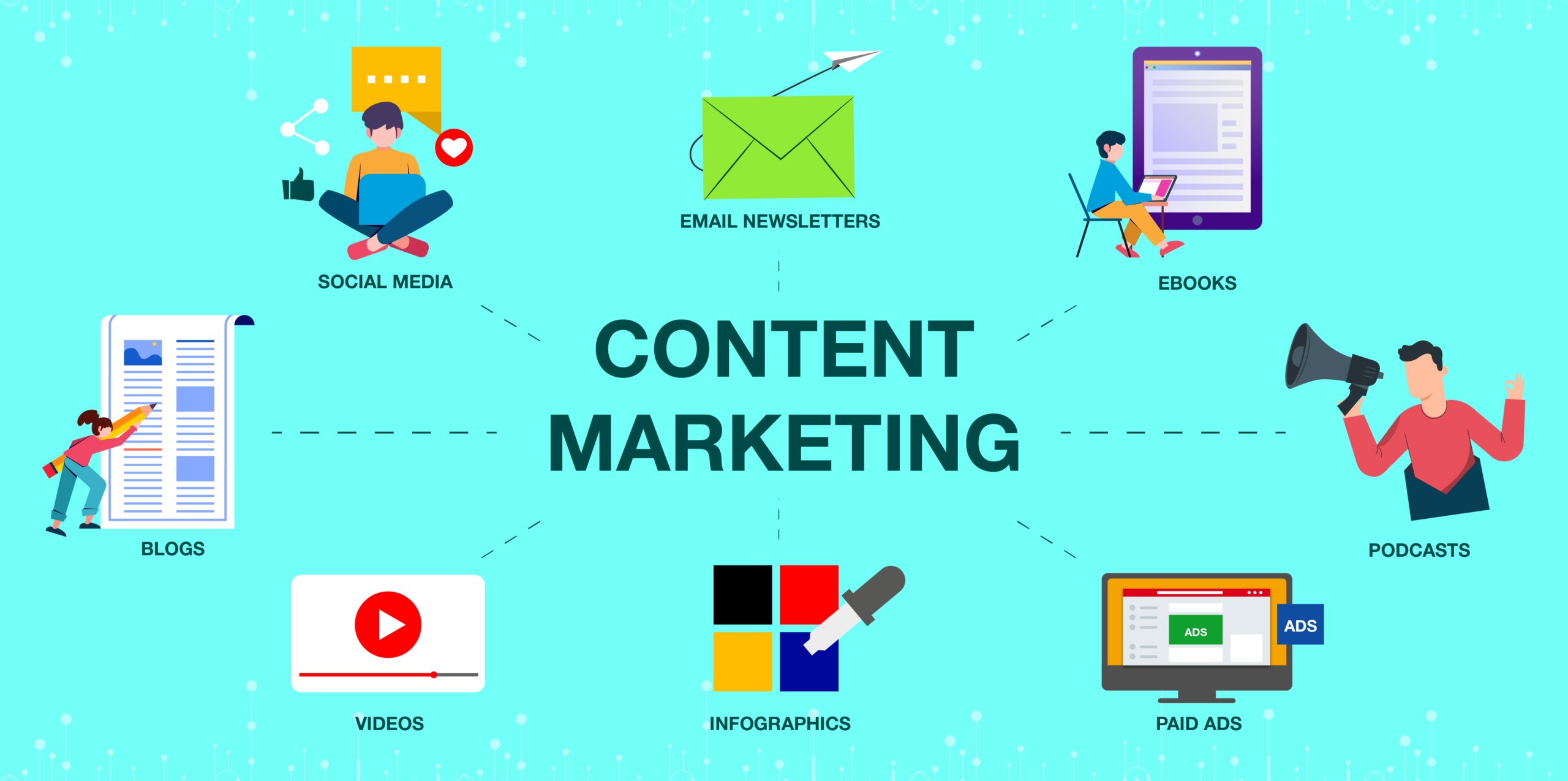
Meta ads aren’t a replacement for organic strategies. They’re a booster. SEO takes time. Content builds trust slowly. Ads fill the gap. You can promote high-performing blogs. Push new offers. Test headlines before using them elsewhere. Think of it like a see-saw. Organic on one side. Paid on the other. Balance matters.
Algorithms change. Ads give control.
Social platforms change their rules all the time. One update and your reach drops. Ads give you back some control. You decide the budget. The audience. The timing. That stability is comforting, especially when organic performance is unpredictable.
Are Meta ads still worth it?
Short answer? Yes. Longer answer? They’re worth it if you approach them with the right mindset. Not “let’s sell instantly.” But “let’s connect, test, and learn.” Meta ads reward patience, creativity, and consistency. Not just money.
If digital marketing is about visibility, relevance, and timing, Meta ads check all three boxes. They’re not optional anymore. They’re part of the toolkit. And when used well, they can quietly do a lot of heavy lifting behind the scenes.