
Web development is the work that goes into building and maintaining websites and web applications. Not just how they look, but how they work. Every button you click, every form you submit, every page that loads – someone built that logic behind the scenes.
And no, it’s not just “coding a website.” It’s more layered than that. A bit like a restaurant. You see the menu and the décor, but there’s also a kitchen, a supply system, and people making sure everything runs smoothly. Same idea here.
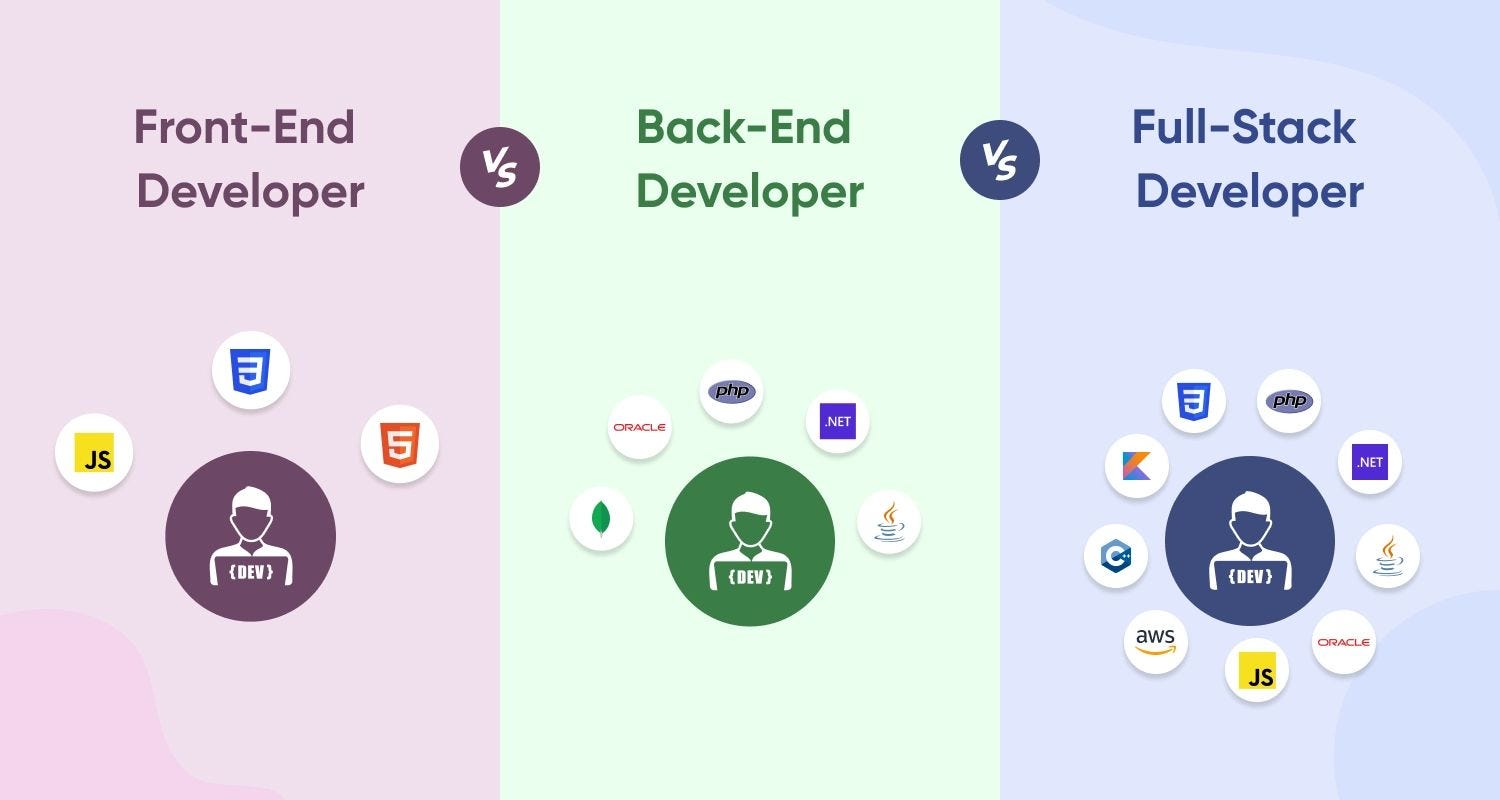
Web development usually falls into three main categories: frontend, backend, and full stack. Let’s break them down without the jargon overload.
Frontend Development: The Part You Actually See

Frontend development is all about the user-facing side of a website. Basically, everything you interact with on your screen.
Think layouts, colors, fonts, buttons, navigation menus. The stuff that makes a site feel smooth or annoying.
Front-end developers use languages like HTML, CSS, and JavaScript. HTML structures the page. CSS styles it. JavaScript brings it to life. Animations, form validation, dropdown menus, you name it.
Here’s the thing. Frontend isn’t just about making things “look pretty.” It’s also about usability. Is the site easy to navigate? Does it load fast on mobile? Do buttons respond the way users expect?
If a website looks messy or takes forever to load, most people won’t stick around. They’ll bounce. And that’s on the front-end.
Popular frontend tools and frameworks include React, Angular, and Vue.js. But tools change. The core idea doesn’t. Make it usable. Make it accessible. Make it feel right.
Backend Development: The Stuff You Don’t See

Now let’s talk about the backend. This is the behind-the-scenes engine that makes everything work.
When you log in, place an order, submit a form, or save data – that’s backend territory.
Backend developers handle servers, databases, and application logic. They write code that decides what happens when a user does something. Where data is stored. How it’s retrieved. Who’s allowed to see what?
Languages commonly used here include Python, Java, PHP, Ruby, and Node.js. Databases like MySQL, PostgreSQL, or MongoDB are also part of the mix.
Here’s an easy way to picture it. If the front end is the steering wheel and dashboard of a car, the backend is the engine. You don’t see it while driving, but without it… you’re not going anywhere.
Security is a big deal here too. Backend developers make sure user data stays protected and systems don’t break under pressure. No small task.
Full Stack Development: A Bit of Everything

Full stack developers work on both frontend and backend. They understand how the entire system fits together – from the user interface to the database.
Does that mean they’re experts in everything? Not always. But they have working knowledge across the stack and can move between layers when needed.
Startups love full stack developers. Smaller teams, fewer handoffs, faster development. Makes sense.
That said, being full stack isn’t about doing everything at once. It’s more about understanding how the frontend and backend talk to each other. How changes in one area affect the other.
Think of it like knowing both how to cook and how to serve the meal. You see the full picture.
Which One Should You Choose?
This is where a lot of beginners get stuck. Frontend or backend? Or full stack right away?
Here’s the deal. There’s no “better” option. It depends on what you enjoy.
If you like visuals, user experience, and immediate feedback, frontend might be your thing. You write code and instantly see the result. That’s satisfying.
If you enjoy logic, problem-solving, and working with data, backend could be a better fit. It’s more about systems and structure.
Full stack? Great if you like variety and don’t want to limit yourself early on. But fair warning—it can feel overwhelming at first.
And yes, you can always switch later. Many developers do.
What Is Web Development Really About?
At its core, web development is about building digital experiences that work. Not just flashy designs or complex code, but solutions to real problems.
It’s part creativity, part logic. Trial and error. Lots of learning. Sometimes frustration. Then that “wow” moment when things finally click.
If you’re thinking of getting into web development, don’t overthink the labels. Start somewhere. Build small things. Break them. Fix them. Repeat. That’s how most developers actually learn.