
SEO sounds complicated at first. Three types. Strange terms. Endless advice online. And half the time, it feels like everyone’s saying something different.
So let’s slow it down. SEO (Search Engine Optimization) is basically about helping search engines understand your website and decide whether it’s worth showing to users. That’s it. No mystery. No magic tricks.
The work is usually divided into three buckets: On–Page SEO, Off-Page SEO, and Technical SEO. They’re different, but they’re connected. Like parts of the same machine.
Let’s break them down in a way that actually makes sense.
On-Page SEO: What You Control on Your Website
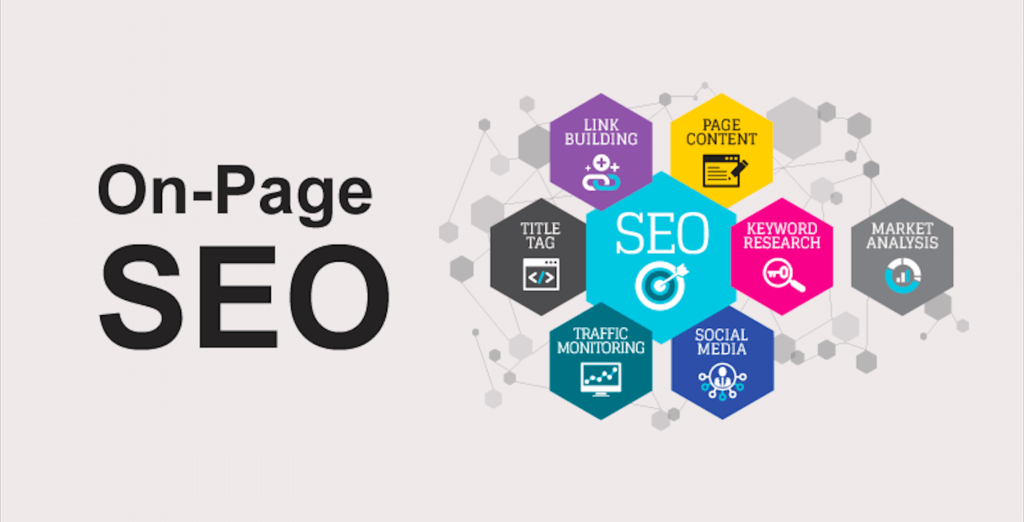
On-page SEO is everything you do on your own website to improve rankings. Content, structure, and signals that tell search engines, “Hey, this page is relevant.” Think of it as setting up your house before inviting guests over.
It starts with content. What you write. How useful it is. How clearly it answers a question. Google cares a lot about that now. Thin, keyword-stuffed content? Not so much.
Keywords still matter, though. Just not the old-school way. Your main keyword should appear naturally in:
- Page title
- URL
- Headings
- Content
If it sounds awkward to read, it’s probably bad for SEO too.
Then there’s meta titles and descriptions. These don’t directly control rankings, but they affect clicks. A clear, human-sounding title usually performs better than something stuffed with keywords.
Internal linking is another big part. Linking from one page of your site to another helps search engines understand your site structure. It also keeps users around longer. Win-win.
Images matter too. Optimized file sizes. Proper alt text. Small details, but they add up.
On-page SEO is where most beginners start. And honestly, it’s the foundation. Get this wrong, and the rest won’t help much.
Off-Page SEO: What Happens Outside Your Website

Off-page SEO is about reputation. Search engines want to know: Do other websites trust you? Do people talk about your brand? Do credible sites link to you?
The biggest factor here is backlinks – links from other websites pointing to yours.
But not all links are equal. One quality link from a trusted site is often better than 50 random ones. It’s like recommendations. A respected expert saying your name carries more weight than strangers shouting it.
Backlinks can come from:
- Guest posts
- PR mentions
- Business listings
- Partnerships
- Naturally earned links through good content
Social media doesn’t directly impact rankings, but it helps with visibility. More eyes on your content means more chances for links. Simple logic.
Brand mentions also matter, even without links. Google’s getting better at understanding brand authority.
Here’s something people forget: off-page SEO takes time. You can’t rush trust. And buying spammy links? That usually backfires. Sooner or later.
Technical SEO: The Behind-the-Scenes Stuff
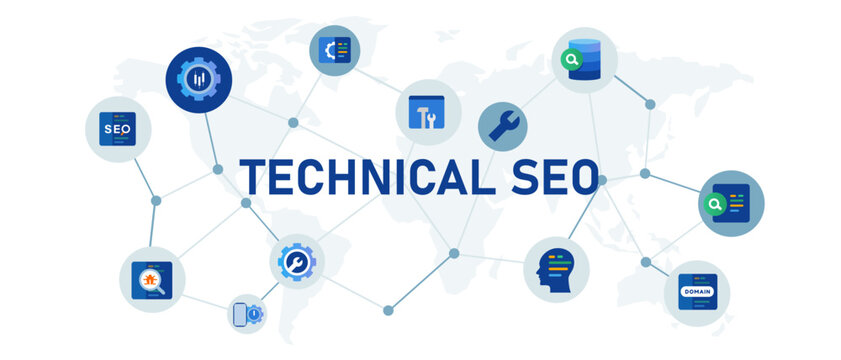
Technical SEO is where many people zone out. But it’s important. This part focuses on how well search engines can crawl, index, and understand your website.
If your site is slow, broken, or confusing to bots, even great content may struggle to rank.
Page speed is a big one. Slow websites frustrate users and Google notices. Compress images. Use clean code. Choose good hosting. These things matter more than people think.
Mobile-friendliness is another must. Most searches happen on phones now. If your site looks bad or breaks on mobile, that’s a problem.
Then there’s indexing and crawlability. Your pages should be accessible. No broken links. No accidental “noindex” tags. A proper XML sitemap helps search engines find your pages faster.
HTTPS, structured data, clean URLs, and proper redirects also fall under technical SEO. Not exciting, maybe. But necessary.
Think of technical SEO like plumbing. You don’t notice it when it works. But when it doesn’t? Everything suffers.
Which One Is Most Important?
Honestly? All three.
On-page SEO gives search engines something valuable to rank.
Off-page SEO builds trust and authority.
Technical SEO makes sure nothing blocks the process.
It’s like a three-legged stool. Remove one leg, and the whole thing wobbles. If you’re just starting, focus on on-page first. Create useful content. Structure it well. Then move into technical fixes. Off-page comes naturally over time if your site is worth linking to.
SEO isn’t about hacks anymore. It’s about clarity, quality, and consistency. And yeah, it takes patience. But when it works, it really works.