
Starting a blog sounds exciting… until you actually try to set everything up. Domains. Hosting. Themes. Plugins. It can feel like too much. But here’s the good news. WordPress makes blogging and affiliate marketing much easier than most people think. Not effortless. Just manageable.
If you want to build a blog that earns through affiliate marketing, WordPress is one of the best places to start. Let’s break it down step by step.
Step 1: Set Up WordPress the Right Way
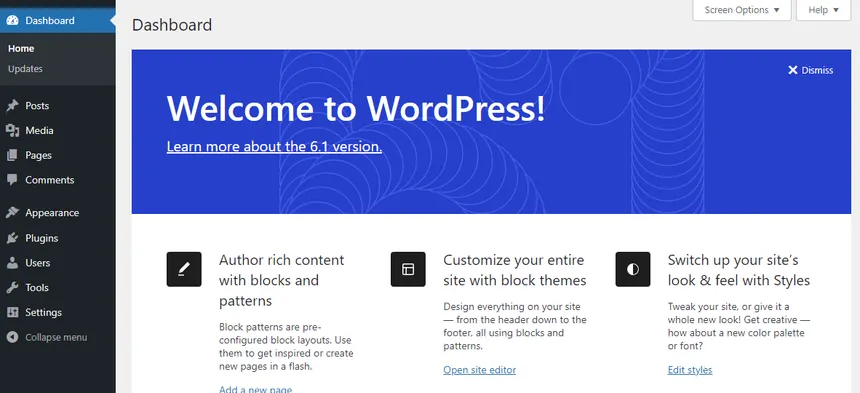
First things first. There are two versions of WordPress. WordPress.com and WordPress.org. If you’re serious about affiliate marketing, go with WordPress.org. It gives you full control. You can install plugins. Customize everything. Monetize freely.
You’ll need:
- A domain name
- Hosting
- WordPress installed through your hosting provider
Most hosting companies offer one-click WordPress installation. It’s not as technical as it sounds. Once installed, you officially own your digital space. That feels good.
Step 2: Choose a Simple, Clean Theme
Here’s a common beginner mistake. They choose a fancy theme with too many animations and features. Then the site becomes slow. And confusing. For blogging and affiliate marketing, simplicity wins.
Pick a lightweight theme that:
- Loads fast
- Looks clean
- Is mobile-friendly
Your goal is not to impress with design. It’s to make reading easy. Remember, content converts. Not decoration.
Step 3: Install Essential Plugins
Plugins are like add-ons. They extend WordPress functionality. You don’t need 30 of them. Just a few solid ones.
Important ones include:
- SEO plugin for search engine optimization
- Caching plugin for speed
- Security plugin
- Affiliate link management plugin
Be careful here. Too many plugins can slow your website down. Install what you need. Nothing more.
Step 4: Create Valuable Content First
Affiliate marketing does not work without trust. And trust comes from helpful content. Instead of jumping straight into “Buy this product” posts, focus on:
- Informative guides
- Problem-solving articles
- Comparisons
- Honest reviews
For example, if you promote tech products, write tutorials. If you promote skincare, write routine guides. People search for solutions, not affiliate links. When your content genuinely helps, clicks happen naturally.
Step 5: Add Affiliate Links Smartly
Now comes the monetization part. Sign up for affiliate programs related to your niche. Many companies offer them. Amazon is common, but there are many niche-specific programs too.
When adding links:
- Keep them relevant
- Do not overload your content
- Disclose clearly that they are affiliate links
Place links where they make sense. Inside reviews. Under product recommendations. In comparison tables. Do not force them. If readers feel pushed, they leave.
Step 6: Focus on SEO

This is where many bloggers give up too early. SEO helps your blog appear on Google when people search for topics you write about.
Basic SEO includes:
- Using keywords naturally
- Writing clear headings
- Optimizing meta descriptions
- Building internal links
It takes time. Sometimes months. But once traffic starts coming from search engines, affiliate income becomes more stable. That’s the long game.
Step 7: Track and Improve
WordPress makes it easy to integrate tools like Google Analytics. Check:
- Which posts get traffic
- Which links get clicks
- What content performs best
Affiliate marketing is not guesswork. It is testing and improving. Write more of what works. Improve what doesn’t. Simple.
Final Thoughts
Using WordPress for blogging and affiliate marketing is not about quick money. It is about building an asset. A blog grows slowly at first. Then steadily. Then sometimes surprisingly fast.
If you focus on:
- Helpful content
- Smart SEO
- Honest recommendations
WordPress becomes more than a platform. It becomes your income engine. Start simple. Learn as you go. Improve each month. You don’t need perfection to begin. You just need consistency.