
When you start learning web development, the first question hits fast. Which programming language should I learn first? Then the second question follows right after. Do I need to learn all of them? Short answer. No. Smarter answer. Learn the right ones, in the right order.
Web development is not impossible, but because they try to learn everything at once. Web development is a stack. Each language has a role. Let’s break it down.
HTML: The Foundation of the Web
HTML is where everything starts. It is not technically a programming language, but it is non-negotiable. HTML gives structure to a webpage. Headings, paragraphs, images, buttons, forms. All of it lives inside HTML. If you skip HTML or rush through it, everything else feels harder later.
Think of HTML as the skeleton of a website. Without it, nothing stands. Good news? HTML is simple. Beginner friendly. And quick to learn.
CSS: Making the Web Look Good
Once the structure is there, you need style. That is where CSS comes in. CSS controls colors, fonts, spacing, layouts, and responsiveness. It is what turns a plain webpage into something people actually enjoy using.
Many beginners underestimate CSS. Then struggle later. Here’s the thing. Modern websites rely heavily on CSS. Flexbox. Grid. Responsive design. Animations. If you want to build professional websites, CSS is not optional. It is a core skill.
JavaScript: Bringing Websites to Life
If HTML is the structure and CSS is the design, JavaScript is the brain. JavaScript adds interactivity. Buttons that respond. Forms that validate. Content that updates without reloading the page.
Almost every modern website uses JavaScript. And yes, this is where things feel a little challenging at first. But JavaScript is worth the effort. Once you learn it, you unlock:
- Frontend development
- Backend development
- Web apps
- Mobile apps
- Even game logic
One language. Many possibilities.
Python: A Beginner-Friendly Powerhouse
Python is loved for one main reason. It reads like English. For web developers, Python is often used on the backend. Frameworks like Django and Flask make it powerful and flexible.
Python is a great choice if you want to work with:
- Backend development
- APIs
- Automation
- Data-driven applications
It is also beginner friendly, which makes it perfect for those new to programming.
PHP: Still Relevant, Still Everywhere
PHP gets a lot of mixed opinions. But it is still widely used. Many websites, including WordPress sites, run on PHP. If you plan to work with:
- WordPress development
- Content-heavy websites
- Existing client projects
PHP is a useful skill to have. It may not be trendy, but it is practical.
SQL: Understanding Data Matters
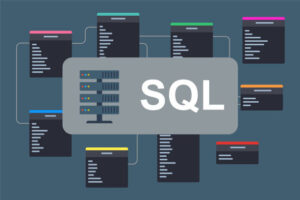
Web development is not just about pages. It is about data. Users. Products. Orders. Content. Everything lives in databases. SQL helps you interact with that data.
Even if you do not become a database expert, understanding SQL makes you a stronger developer. You can debug better. Build smarter applications. Communicate clearly with backend systems. This skill quietly boosts your confidence.
The Right Learning Order
Here’s a simple path. Start with:
- HTML
- CSS
- JavaScript
Then move to:
- One backend language like Python or PHP
- Basic SQL
You do not need ten languages. You need clarity and practice. Depth beats confusion.
Final Thoughts
Web development is not about knowing every language out there. It is about understanding how different languages work together. Strong foundations matter more than shortcuts.
When you focus on the right programming languages, learning becomes smoother. Projects make more sense. Confidence grows naturally. At Numerique Academy, we believe web developers are built step by step. One language at a time. One project at a time. Start simple. Stay consistent. And let your skills stack up.