

The modern workplace is evolving rapidly, and technology plays a major role in shaping how tasks are completed. In recent years, the rise of artificial intelligence has transformed workflows across industries. Understanding how AI tools are changing the way we work helps individuals and businesses adapt to new methods of productivity and efficiency.
Automation of Repetitive Tasks
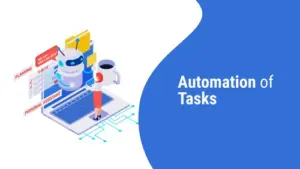
One of the most noticeable impacts of AI is the automation of routine tasks. Activities such as data entry, scheduling, and basic customer support can now be handled by intelligent systems. This shift allows employees to focus on more strategic and creative responsibilities. As a result, how AI tools are changing the way we work becomes evident in the reduction of manual effort and time consumption.
Improved Decision-Making
AI tools can process large amounts of data quickly and provide actionable insights. Businesses use these insights to make informed decisions based on patterns and trends rather than assumptions.
From marketing strategies to financial planning, data-driven decisions are becoming the norm. This highlights how AI tools are changing the way we work by making processes more accurate and efficient.
Enhanced Collaboration and Communication
Modern AI-powered platforms are improving how teams collaborate. Tools that offer real-time suggestions, automated summaries, and smart responses make communication smoother and faster. Remote work environments, in particular, benefit from these advancements. This demonstrates how AI tools are changing the way we work by bridging communication gaps and enhancing teamwork.
Personalization in Work Processes
AI enables a more personalized approach to work. From customized learning paths for employees to tailored customer experiences, AI adapts to individual needs. This level of personalization increases engagement and productivity. It is another clear example of how AI tools are changing the way we work in a more user-focused direction.
Skill Shifts and Learning Opportunities

As AI takes over repetitive tasks, the demand for new skills is increasing. Employees are encouraged to develop skills such as critical thinking, creativity, and digital literacy. Continuous learning is becoming essential in many industries. This shift highlights how AI tools are changing the way we work by influencing the skills required for future roles.
Increased Productivity and Efficiency
AI tools streamline workflows by reducing errors and speeding up processes. Tasks that once took hours can now be completed in minutes with the help of automation and smart systems. This leads to higher productivity levels across teams and organizations. Clearly, how AI tools are changing the way we work is closely linked to improved efficiency.
Challenges and Considerations
Despite the benefits, there are challenges to consider. Concerns about data privacy, job displacement, and over-reliance on technology remain important. Organizations must find a balance between adopting AI and maintaining human oversight. These considerations are part of understanding how AI tools are changing the way we work responsibly.
Conclusion
The influence of artificial intelligence on the workplace continues to grow. From automation to smarter decision-making, its impact is visible across various functions. By adapting to these changes and focusing on skill development, individuals and businesses can stay competitive. Ultimately, how AI tools are changing the way we work reflects a shift toward more efficient, data-driven, and flexible work environments.