
Starting an online store feels overwhelming at first. You’ve got product ideas in your head, maybe even suppliers lined up. But then reality hits. Domains. Hosting. Payment gateways. Design. Apps. Taxes. It’s a lot. And if you’re new to e-commerce, it can feel like learning a new language overnight.
Here’s the deal. Shopify makes that first step way less scary. That’s why so many beginners end up choosing it. Not because it’s perfect. But because it’s practical.
You don’t need to be “tech-savvy”
This is probably the biggest reason. With Shopify, you don’t need to know coding. You don’t need to understand servers or worry about updates breaking your site. Most things are drag-and-drop or just a few clicks.
Want to add a product? Fill in a form.
Change prices? Easy.
Upload images? Done.
It feels more like using an app than building a website. And for beginners, that matters more than people admit.
Setup is fast. Really fast.
Some platforms take weeks to get right. Shopify doesn’t. You can literally set up a basic store in a day. Sometimes even a few hours. Choose a theme. Add products. Connect payments. Launch.
That quick start keeps momentum going. And momentum is important when you’re new. The longer things take, the easier it is to quit. Shopify helps you get live before self-doubt kicks in.
Built-in features cover the basics
Beginners don’t need fancy features on day one. They need the essentials to work smoothly. Shopify comes with those basics already built in – Inventory management, Secure checkout, Order tracking, Basic analytics.
You’re not hunting for ten plugins just to make your store functional. It’s all there, ready to use. And yes, that simplicity is intentional.
Payments are simple
Here’s something that scares a lot of new store owners: payments.
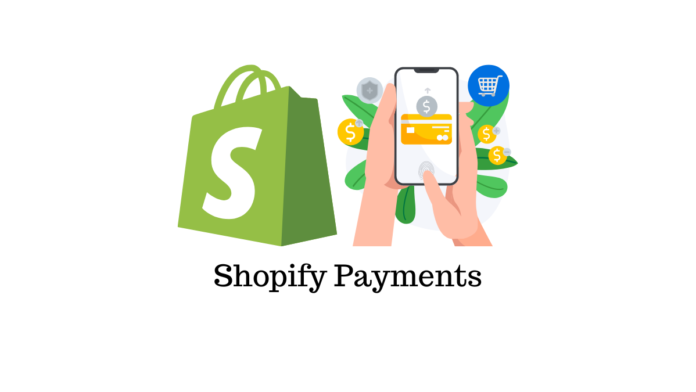
Shopify handles this surprisingly well. With Shopify Payments, you can accept cards, UPI, wallets, and more without complicated setup. If that’s not available in your region, there are plenty of trusted alternatives.
Customers feel safe too. That lock symbol in the browser. The smooth checkout flow. These small things build confidence. And confident customers buy more often. Simple as that.
Design looks professional, even on a budget
A store that looks outdated or messy doesn’t inspire trust. Shopify’s themes are clean. Modern. Mobile-friendly. Even the free ones. You don’t have to be a designer to make your store look good. Change colors. Adjust fonts. Upload your logo. That’s usually enough to look professional.
It’s like wearing a well-fitted outfit to an interview. You’re taken more seriously, even if you’re still learning.
Apps help you grow at your own pace
You don’t need everything at once. And Shopify gets that. When you’re ready, you can add apps for marketing, reviews, email, shipping, or automation. Most are optional. Many are beginner-friendly.
Start small. Add tools as your store grows. It’s not overwhelming. It’s modular. Like building blocks.
Support and resources are beginner-friendly
Here’s something beginners underestimate: support. Shopify has 24/7 support. Chat, email, help docs. And there’s a huge community online. Tutorials. Forums. YouTube guides. Step-by-step walkthroughs.
If you get stuck, chances are someone else already asked the same question. And found an answer. That alone reduces a lot of stress.
SEO and mobile readiness are already handled
You don’t need to be an SEO expert on day one. Shopify handles many technical SEO basics automatically. Clean URLs. Mobile responsiveness. Fast loading speeds.
Is it perfect? No. But it’s good enough to get started without breaking your brain. You focus on products and customers. Shopify handles the behind-the-scenes stuff.
So, is Shopify really the “best” for beginners?
For most people? Yes. It’s not the cheapest platform. It’s not the most customizable either. But for beginners, those aren’t the top priorities. Ease. Speed. Reliability. That’s what matters early on.
Shopify lets you learn e-commerce by doing, not by troubleshooting endless technical issues. And that’s a big deal. If you’re just starting out and want a platform that won’t fight you at every step, Shopify is a solid place to begin. Not perfect. Just practical.